
Advanced testing that reads the pattern underneath a standard panel: how fast you are aging, which system is driving it, and what is depleted, inflamed, or off. Every test includes a 60 to 90 minute review of what it means for you.
Book a Free Consultation How it works ↓ 100+ five-star reviewsClinician-ledTelehealthHSA/FSA accepted
A standard panel tells you what is in your blood this morning. Our testing reads the pattern underneath it — how fast you are aging, which system is driving it, and what is actually depleted, inflamed or off. Then one of our advanced care clinicians sits down with you and explains what it means.
Clinician-Led
100% Telehealth
Nationwide
HSA/FSA Accepted
The testing menu
Jump straight to any test below, or start with the Blueprint if you are not sure which question is yours.
Not sure which question is yours? Most patients start with the Health Blueprint.
See the Health BlueprintA blood test shows one morning. Epigenetic testing reveals the pattern your body has been running for months. The most common question we get is why the two disagree in the same week, and the answer is that they are not measuring the same thing.
A standard panel reads one morning: after one night's sleep, in one week of your life. It is the right tool for disease-range problems and safety markers, which is why HFW still orders bloodwork when it changes a decision.
Methylation patterns shift with diet, sleep, stress, inflammation, and exposure, and they move over weeks rather than hours. Inflammation is the clearest example: a standard CRP spikes after a hard workout or a bad night and settles within days, while a methylation-based inflammatory signal reads the longer-term burden. You can have a textbook-normal CRP and still carry an elevated epigenetic inflammation signal. That is why the plan is built on the pattern, and why it is retested rather than read once.
Epigenetic testing is a little over a decade old in clinical use, and the field moves fast, which is exactly why we do not run every clock on the market. We run the ones that held up when independent researchers tested them against real outcomes. In a 2026 study that followed 1,083 adults aged 60 to 80 for an average of 7.4 years, the epigenetic pace-of-aging measure was the strongest and most consistent predictor of mortality among fourteen expert-endorsed biomarkers of aging. What that changes in practice is what a plan can see: the long-term pattern, and whether it is moving.
Source: Vetter et al., Biomarker Research, 2026. Berlin Aging Study II. Independent academic research, not a study by the company that makes the test. CRP, gait speed, IGF-1, blood pressure, and muscle mass showed no significant association in the same group.
We use advanced diagnostics to evaluate:
Why this is different
The most common question we get is why an epigenetic marker disagrees with a blood test taken the same week. The answer is that they are not measuring the same thing.
A serum panel asks
A good question, answered by a single morning — after one night’s sleep, in one week of your life.
Epigenetic testing asks
DNA methylation patterns shift with diet, sleep, stress, inflammation and exposure, and they move over weeks rather than hours.
A standard CRP spikes after a hard workout, a bad night or a mild infection, then settles within days. A methylation-based inflammatory signal reads the longer-term burden instead. You can have a textbook-normal CRP and still carry an elevated epigenetic inflammation signal — and that second number is often the one worth acting on.
A serum vitamin D of 48 ng/mL sits comfortably in range. An epigenetic vitamin D marker can still read low, because it reflects whether your biology has been behaving like someone with enough of it over a much longer window.
When the two disagree, the disagreement is usually the most useful thing in the file. We do not treat one as right and the other as wrong — we ask what would explain the gap. That question is where most of our good findings come from.
The evidence
There are dozens of ways to estimate biological aging. We run the ones that have held up when independent researchers tested them against real outcomes.
In 2026, the Berlin Aging Study II followed 1,083 adults aged 60 to 80 for an average of 7.4 years and compared fourteen biomarkers of aging that an expert panel had endorsed — inflammation markers, grip strength, gait speed, blood pressure, cognitive testing, muscle mass and more. The epigenetic pace-of-aging measure, DunedinPACE, was the strongest and most consistent predictor of mortality in the group. CRP, gait speed, IGF-1, blood pressure and muscle mass showed no significant association.Vetter et al., Biomarker Research, 2026. This was independent academic research, not a study by the company that makes the test.
Built with Harvard
Developed at Yale
Developed at Duke
Where most patients start
If you are not sure which test to order, this is the answer. It is the combination we run on most new patients, because together these three cover the ground that explains the majority of what people come to us with.
One at-home kit covering biological age, your current pace of aging, eleven organ systems, and 105+ epigenetic biomarkers.
What is actually happening in your gut — the system most often driving fatigue, inflammation and stalled weight loss elsewhere in the body.
One of our advanced care clinicians walks you through what your results mean for you. Not a PDF and a login.
A prioritized plan naming what to address first, and a baseline to measure the next six months against.
Purchased separately, the combo kit is $750 and GI-MAP is $463 plus a $350 test read and clinician review. That is $1,563. HSA and FSA accepted.
Book Your Free ConsultationNot sure which question is yours? Start here. Every price includes a 60 to 90 minute clinician review of your results. Longevity Membership members pay less on most testing. See member pricing →
One of the few clinical panels that reads these attributes from DNA methylation. Most plans fail because they try to fix everything at once. TruHealth shows which two or three things matter most for you, and it guides what's appropriate for you: which supplements, hormone support, or therapies fit, and which don't. It's the test membership is built on, repeated through the year so the plan changes as your results do.
A single number is a snapshot. TruAge goes further: it estimates your pace of aging, how fast your body is aging right now relative to the calendar, and gives system-level age estimates, so you can see which systems are running ahead of your age and which are holding up. Read alongside your labs, history, and how you function, it gives the plan a trajectory to work against rather than a score to chase, and a baseline to retest against later.
Fatigue, bloating, inflammation, and stalled weight loss sometimes start in the gut. GI-MAP looks at selected gut organisms, including bacteria, pathogens, and H. pylori, along with markers of digestion, gut inflammation, immune activity, and the gut lining. Finding an organism or a marker does not by itself mean it is the problem, so your clinician reads it with your history and the rest of your results, and a finding becomes a priority only when it fits the picture.
A starting point when the main questions are energy, metabolism, hormones, and aging rather than digestion. TruHealth shows what to correct now, TruAge shows the trajectory you are working against, and one review puts them together into a plan.
Where most patients start. All three tests, interpreted together by an advanced care clinician and presented in one session as a prioritized roadmap: what to correct first, what to optimize next, and what to leave alone, with a baseline to measure the next six months against. Bloodwork is billed separately by the lab.
Book a Free ConsultationSelected by your clinician for the question you are trying to answer. Every price includes the clinician review.
Used when the extra detail would change the plan, not by default. A dried-urine hormone test that shows how hormones are produced, metabolized, and cleared, plus the cortisol rhythm behind sleep, anxiety, and recovery. It does not replace appropriately timed hormone bloodwork, and not every hormone patient needs it.
Ordered when they change a decision. Conventional bloodwork still matters: a full thyroid picture, glucose and insulin, lipids, liver and kidney markers, hormone and safety markers before any therapy. Your clinician reviews recent usable results first rather than ordering duplicates. Coordinated locally and billed separately by the laboratory.
Where the deficits behind fatigue and slow recovery often show up. A nutritional panel covering nutrient deficiencies, amino acids, oxidative stress, mitochondrial markers, and gut metabolites. Used when energy, recovery, or absorption is part of the picture and a targeted supplement plan needs to be built on data rather than guesswork.
A blood test HFW can provide access to, when appropriate. A cell-free DNA methylation test that screens for a signal shared by many cancers from one blood draw. It does not replace recommended cancer screening, and whether it is appropriate for you is a conversation to have with a clinician, not a default.
The stress physiology behind sleep, anxiety, fatigue, and recovery. A saliva profile of cortisol output across the day. Used when stress physiology looks like a driver of poor sleep, anxiety, recovery, inflammation, or metabolic symptoms, and the plan depends on knowing the rhythm rather than assuming it.
Guides food strategy without unnecessary long-term restriction. An IgG panel of delayed immune reactivity patterns that may contribute to inflammation, digestive symptoms, skin issues, fatigue, and energy crashes. Read alongside GI-MAP and your history so the food list gets wider over time, not narrower.
Your clinician can also order NAD+ testing, an organic acids test, genetic testing, or a custom blood panel when a specific question calls for it.
Your clinician uses your results to guide your plan: nutrition, lifestyle, supplements, hormones, peptides, or ongoing monitoring, when appropriate.
A private telehealth conversation with an advanced care clinician. Nothing is ordered on the call itself; the output is a plan for getting the right data first.
Some tests are ordered individually, others are bundled into your plan. Most kits ship to your door; bloodwork is coordinated locally when it is needed and billed separately by the lab.
An advanced care clinician spends 60 to 90 minutes walking you through what your results mean for you and what to address first. It is included in every test price. Not a PDF and a login.
If you are about to start a protocol, a medication, or a serious lifestyle change, test first: the baseline is the most valuable test you will run, because everything after it is measured against it. Pace of aging is the marker most likely to move first, often within three months; overall biological age is slower, usually six months or more. Members repeat TruHealth roughly quarterly with a scheduled review.
| Step | What Happens |
|---|---|
|
1. Free Consultation
|
We review your symptoms, goals, health history, prior labs, and what you want to understand about your body.
|
|
2. Test Selection
|
Your provider helps determine which tests are most relevant. Some tests can be ordered individually. Others may be bundled into your care plan.
|
|
3. At-Home or Local Testing
|
Many test kits can be shipped directly to your home. Bloodwork may be coordinated locally when needed.
|
|
4. Physician Review
|
Your results are reviewed in context — not as isolated numbers.
|
|
5. Personalized Next Steps
|
Your provider uses your results to guide your protocol, supplements, nutrition, lifestyle, hormones, peptides, bioregulators, or ongoing monitoring when appropriate.
|
We review your symptoms, goals, health history, prior labs, and what you want to understand about your body.
Your provider helps determine which tests are most relevant. Some tests can be ordered individually. Others may be bundled into your care plan.
Many test kits can be shipped directly to your home. Bloodwork may be coordinated locally when needed.
Your results are reviewed in context — not as isolated numbers.
Your provider uses your results to guide your protocol, supplements, nutrition, lifestyle, hormones, peptides, bioregulators, or ongoing monitoring when appropriate.
Timing
A single biological age number is interesting. Two numbers, six months apart, with a protocol in between, is evidence. That is why we build testing into a cadence rather than selling it as a one-off.
Methylation is far steadier than routine labs — an ordinary bad week does not move it. These windows exist because major physiological events can temporarily obscure your true baseline, and a baseline taken at the wrong moment makes every later comparison harder to read.

Your birthday tells one story. Your biology may tell another.
TruAge measures biological age and pace of aging from an at-home blood spot.
TruAge reports three validated measures of biological aging from one at-home blood spot: an overall biological age (OMICmAge, built with Harvard), an organ-system breakdown across eleven systems (SymphonyAge, developed at Yale), and your current pace of aging (DunedinPACE, developed at Duke).
What it can help assess:
Best for: Longevity planning, prevention-focused patients, and anyone who wants measurable aging data.

Knowing how fast you are aging is only half the answer.
TruHealth reports 105+ biomarkers across nutrition, metabolism, immune function, and cognition.
From the same at-home finger-stick sample, TruHealth reports 105+ epigenetic biomarkers across nineteen biological systems — nutrition, glycemic and metabolic, mitochondrial and oxidative, lipid and vascular, immune and inflammatory, toxin exposure, and neurocognitive and stress markers.
What it can help assess:
Best for: Patients who want to know what is driving their symptoms and where to intervene first.

Run together, the two tests answer both questions at once.
TruAge + TruHealth measures biological age, pace of aging, and 105+ health biomarkers from one at-home collection.
One finger-stick covers both panels, so your pace of aging and the nutritional, metabolic, immune, and cognitive drivers behind it are reviewed side by side in a single clinician consultation.
What it can help assess:
Best for: Anyone starting a longevity plan who wants the full picture up front. Included in our Health Blueprint.

Your gut can affect far more than digestion.
What it can help assess:
Best for: Bloating, constipation, diarrhea, reflux, IBS-like symptoms, food sensitivity patterns, fatigue, brain fog, skin issues, and inflammation.
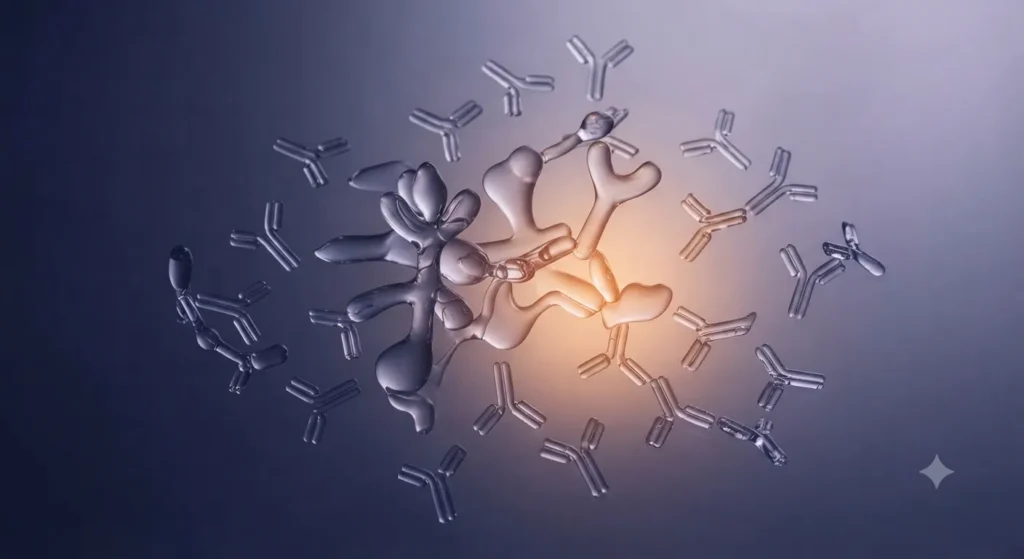
Food reactions are not always immediate.
This is not the same as an allergy test. It is used to identify delayed immune reactivity patterns that may contribute to inflammation, digestive symptoms, skin issues, fatigue, and energy crashes.
What it can help assess:
Best for: Bloating, digestive symptoms, skin flare-ups, inflammation, fatigue, food sensitivity patterns, and patients who feel worse after eating but cannot identify why.
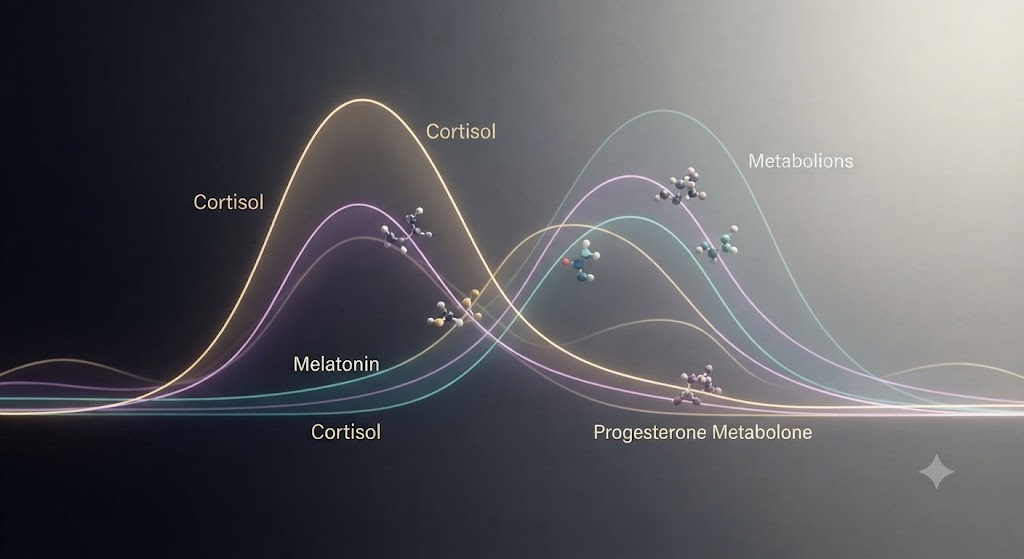
Not just hormone levels. Hormone behavior.
DUTCH Plus is an advanced hormone test that evaluates sex hormones, hormone metabolites, cortisol rhythm, adrenal patterns, and melatonin.
Unlike a single blood draw, this test helps show how your hormones move, clear, and interact over time.
What it can help assess:
Best for: Perimenopause, menopause, PMS, low libido, fatigue, poor sleep, mood changes, anxiety, weight resistance, and hormone therapy planning.

Cortisol is more than a stress hormone.
What it can help assess:

A deeper look at cellular function and nutrient status.
Metabolomix+ evaluates nutrient status, oxidative stress, amino acids, gut metabolites, and mitochondrial markers.
This test helps identify the biochemical patterns behind energy, mood, recovery, immune function, and cellular performance.
What it can help assess:
Best for: Fatigue, brain fog, poor recovery, inflammation, nutrient depletion, chronic stress, mood changes, and mitochondrial support.

Cellular energy starts here.
NAD+ is involved in cellular energy production, mitochondrial function, repair, and healthy aging.
This test measures your NAD+ level so your provider can better understand cellular energy status and whether NAD+ support may fit your plan.
What it can help assess:
Best for: Fatigue, low energy, poor recovery, mitochondrial support, and longevity-focused protocols.

A blood panel built around your goals.
This may include metabolic, inflammatory, hormonal, thyroid, nutrient, cardiovascular, liver, kidney, glucose, insulin, and safety markers.
Best for: Patients who need a targeted baseline, protocol monitoring, hormone safety labs, metabolic tracking, or quarterly optimization data.
Your birthday tells one story. Your biology may tell another.
TruAge measures biological age and pace of aging from an at-home blood spot.
TruAge reports three validated measures of biological aging from one at-home blood spot: an overall biological age (OMICmAge, built with Harvard), an organ-system breakdown across eleven systems (SymphonyAge, developed at Yale), and your current pace of aging (DunedinPACE, developed at Duke).
What it can help assess:
Best for: Longevity planning, prevention-focused patients, and anyone who wants measurable aging data.
Knowing how fast you are aging is only half the answer.
TruHealth reports 105+ biomarkers across nutrition, metabolism, immune function, and cognition.
From the same at-home finger-stick sample, TruHealth reports 105+ epigenetic biomarkers across nineteen biological systems — nutrition, glycemic and metabolic, mitochondrial and oxidative, lipid and vascular, immune and inflammatory, toxin exposure, and neurocognitive and stress markers.
What it can help assess:
Best for: Patients who want to know what is driving their symptoms and where to intervene first.
Run together, the two tests answer both questions at once.
TruAge + TruHealth measures biological age, pace of aging, and 105+ health biomarkers from one at-home collection.
One finger-stick covers both panels, so your pace of aging and the nutritional, metabolic, immune, and cognitive drivers behind it are reviewed side by side in a single clinician consultation.
What it can help assess:
Best for: Anyone starting a longevity plan who wants the full picture up front. Included in our Health Blueprint.
Your gut can affect far more than digestion.
What it can help assess:
Best for: Bloating, constipation, diarrhea, reflux, IBS-like symptoms, food sensitivity patterns, fatigue, brain fog, skin issues, and inflammation.
Food reactions are not always immediate.
This is not the same as an allergy test. It is used to identify delayed immune reactivity patterns that may contribute to inflammation, digestive symptoms, skin issues, fatigue, and energy crashes.
What it can help assess:
Best for: Bloating, digestive symptoms, skin flare-ups, inflammation, fatigue, food sensitivity patterns, and patients who feel worse after eating but cannot identify why.
Not just hormone levels. Hormone behavior.
DUTCH Plus is an advanced hormone test that evaluates sex hormones, hormone metabolites, cortisol rhythm, adrenal patterns, and melatonin.
Unlike a single blood draw, this test helps show how your hormones move, clear, and interact over time.
What it can help assess:
Best for: Perimenopause, menopause, PMS, low libido, fatigue, poor sleep, mood changes, anxiety, weight resistance, and hormone therapy planning.
Cortisol is more than a stress hormone.
What it can help assess:
A deeper look at cellular function and nutrient status.
Metabolomix+ evaluates nutrient status, oxidative stress, amino acids, gut metabolites, and mitochondrial markers.
This test helps identify the biochemical patterns behind energy, mood, recovery, immune function, and cellular performance.
What it can help assess:
Best for: Fatigue, brain fog, poor recovery, inflammation, nutrient depletion, chronic stress, mood changes, and mitochondrial support.
Cellular energy starts here.
NAD+ is involved in cellular energy production, mitochondrial function, repair, and healthy aging.
This test measures your NAD+ level so your provider can better understand cellular energy status and whether NAD+ support may fit your plan.
What it can help assess:
Best for: Fatigue, low energy, poor recovery, mitochondrial support, and longevity-focused protocols.
A blood panel built around your goals.
This may include metabolic, inflammatory, hormonal, thyroid, nutrient, cardiovascular, liver, kidney, glucose, insulin, and safety markers.
Best for: Patients who need a targeted baseline, protocol monitoring, hormone safety labs, metabolic tracking, or quarterly optimization data.
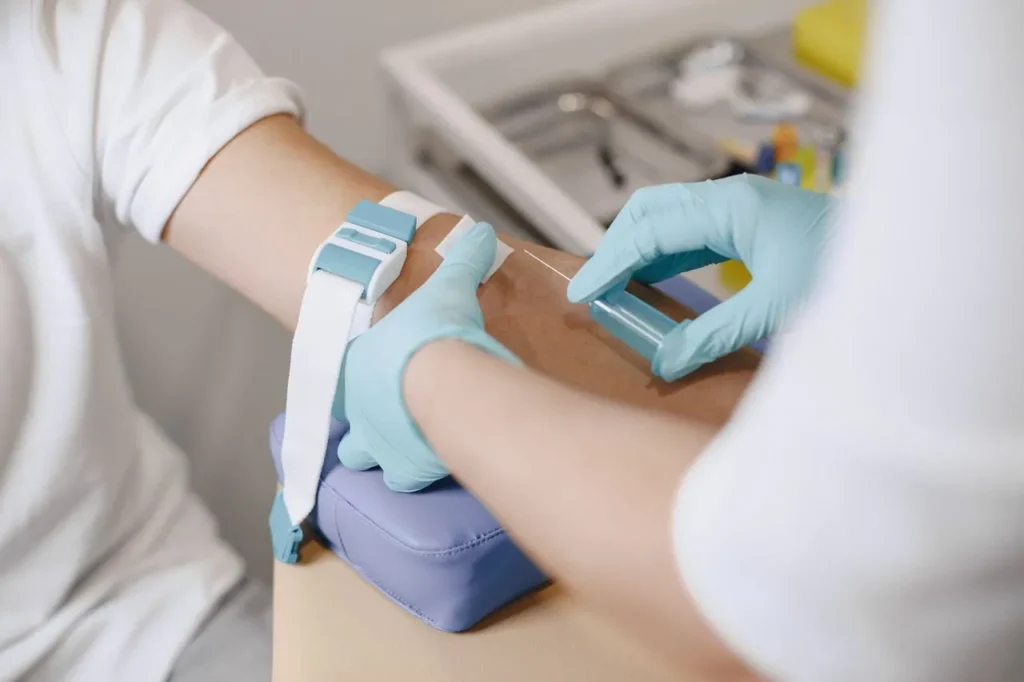
A deeper bloodwork review may evaluate metabolic markers, thyroid function, inflammation, nutrient patterns, hormone markers, liver function, kidney function, cardiovascular risk, glucose regulation, and safety markers.
Best for: Baseline health review, ongoing monitoring, hormone therapy safety, metabolic health, fatigue, weight resistance, and quarterly optimization.
Galleri is a blood-based screening test designed to detect cancer signals from cell-free DNA and identify a likely tissue of origin when a signal is found.
Best for: Patients with elevated cancer risk, family history, or those seeking early-detection screening as part of a longevity-focused care plan.
The Organic Acids Test evaluates metabolic byproducts in urine that reflect energy production, nutrient processing, oxidative stress, neurotransmitter metabolism, yeast and bacterial patterns, B-vitamin status, and detox capacity.
Best for: Mitochondrial function, fatigue, brain fog, oxidative stress, nutrient strategy, detox support, and metabolic optimization.
Genetic testing helps identify inherited patterns related to nutrient processing, detox pathways, inflammation, hormone metabolism, cardiovascular tendencies, cognitive risk, and long-term health personalization.
Best for: Patients who want a more personalized nutrition, supplement, hormone, detox, and prevention strategy.
| If you want to understand… | Consider asking about… |
|---|---|
|
How fast your body is aging
|
TruAge + TruHealth
|
|
Cellular energy and NAD+ status
|
NAD+ Level Advanced Test
|
|
Bloating, IBS-like symptoms, or gut dysfunction
|
GI-MAP Advanced Stool Test
|
|
Perimenopause, menopause, cortisol, or hormone symptoms
|
DUTCH Plus Hormone Test
|
|
Nutrient deficiencies, oxidative stress, or mitochondria
|
Metabolomix+ Nutritional Panel
|
|
Burnout, stress rhythm, or energy crashes
|
Adrenocortex Stress Profile
|
|
Food-triggered inflammation or digestive symptoms
|
IgG Food Sensitivity Explorer
|
|
Metabolism, thyroid, inflammation, or protocol safety
|
Custom Blood Panel
|
|
Cancer-risk screening as part of longevity care
|
Galleri Multi-Cancer Early Detection
|
|
Mitochondrial and metabolic byproducts
|
Organic Acids Test / OAT
|
|
DNA-based personalization
|
Genetic Testing
|
TruAge + TruHealth
NAD+ Level Advanced Test
GI-MAP Advanced Stool Test
DUTCH Plus Hormone Test
Metabolomix+ Nutritional Panel
Adrenocortex Stress Profile
IgG Food Sensitivity Explorer
Custom Blood Panel
Galleri Multi-Cancer Early Detection
Organic Acids Test / OAT
Genetic Testing
The free 20-minute consult was a real planning conversation, not a sales pitch. Christina walked me through which tests made sense, and when my TruAge and DUTCH results came back she explained every number in plain English.
Michael DeJesusChristina went through my results with me and explained the peptide options, the tradeoffs, and what we’d monitor along the way. Everything was done by telehealth and she was easy to reach with questions.
Howie FrankClinician-led care with physician medical direction.
 Christina Warner, APN-CBoard-Certified Women's Health Nurse Practitioner · Advanced care clinician
 Dr. Eric Landi, KICP, DCCo-Founder · Longevity and Functional Medicine
 Dr. Saul Maslavi, MDMedical Director · Board-Certified Family Medicine Physician
 Scott Davis, CPACo-Founder · Operations and Patient Experience
Medical direction: Dr. Saul Maslavi, MD, Board-Certified Family Medicine Physician
Meet the team →
Real progress. Real support. No shame.

Stella Blanch Apo

It’s been a blessing working with Dr. Landi and his entire team! After getting my test results, Dr. Landi walked me through a number of helpful steps to restore my health. He is very knowledgeable and uses an in-depth functional medicine approach in addressing health concerns. Bernadette is also very kind and thoughtful and I enjoy the interpersonal connection I have built with all of them.

Chase Natale

Fatimah Fahmy
I have been working with Dr Landi for several months now. He is extremely knowledgeable, attentive and responsive. He actually listens which is rare in medicine these days. I’m excited to see what the results are from my protocol in a couple of months. Highly recommend his practice if you’re looking into functional medicine.

Lauren Griffith
Dr. Landi is highly knowledgeable and skilled in the field of functional medicine, but he also possesses a genuine empathy and compassion that is so often lacking in the traditional healthcare system. Dr. Landi connects to each of his patients on a personal level, works with you every step of the way, and makes you feel supported while navigating challenging health obstacles.

Kevin Heckman
I found out about the practice of Functional Dr’e last year and realized this is what I need! Finding Dr Landi so close to home was awesome. We appreciated his candor, knowledge and engaging personality. He exuded caring and interest in me and my situation. I feel he had repeatedly gone the extra mile for me so our collaboration is successful.
Book a free telehealth consultation and an advanced care clinician will help you understand which tests make sense for your symptoms, goals, and long-term health plan.
Book a Free ConsultationBased in Hillsdale, New Jersey. Most patients are seen virtually.
Book a free virtual consultation and we’ll help you understand which advanced health tests make sense for your symptoms, goals, and long-term health plan.
24 pages on advanced testing, clinician-led protocols, and why strategy comes before any single compound.
Related reading
Clinician-reviewed guides on reading a number in context, so a result changes the plan instead of just the mood.
Sixteen aging markers compared in the same 1,083 adults over 7.4 years, why they disagree by design, and what separates a result that changes your plan from a number that only sounds good.
Blood measures circulating hormone levels at one moment. DUTCH adds urinary metabolites, a day-level view and timed cortisol. What each one answers, and how a clinician decides which fits the question.
Why lean mass is not the same thing as muscle, what the roughly 29 percent figure actually measures, and what to track so a falling scale does not quietly cost you strength.
Short answers to what people ask before booking.
Advanced testing does not replace bloodwork. It adds to it. Standard panels are designed to detect disease and major abnormalities and are essential for that. Advanced testing can describe patterns that standard panels are not built to show, such as detailed metabolic, cellular, nutrient, microbial, or aging-related patterns. HFW uses both and reviews recent usable results before ordering duplicates.
By working backward from the decision. A test is useful when the result can change a priority, a therapy, a safety decision, or a monitoring plan. Your clinician defines the question first, reviews what you have already had done, then selects testing that could change something. If a test would not change what happens next, HFW will tell you not to buy it.
No. More data is not automatically better care. Most patients start with one or two assessments chosen from their history and goals, and add from there only if the additional information would change the plan.
Current pricing: TruHealth is $450, which covers the test, the clinician review, and the consultation where a clinician turns the results into your roadmap. TruAge is $500, which covers the test and the clinician review. TruAge plus TruHealth together is $750. GI-MAP is $463 for the test, plus $350 for the test read and clinician review, where a clinician discusses the findings with you and turns them into an action plan. DUTCH hormone testing is $300 for the test, plus the same $350 test read and clinician review. Active Longevity Membership members are entitled to additional discounts on the review. The TruHealth plus GI-MAP package is $1,050. The Health Blueprint, which combines TruAge, TruHealth, and GI-MAP with one integrated presentation, is $1,250. Galleri is $900. A multi-panel clinical review, which covers the review only and not the tests, is $450. Conventional bloodwork is billed separately by the laboratory.
Individual tests are available, and packages exist because bundling the tests and the clinician review together is usually less expensive than buying them separately. For example, TruAge and TruHealth are $500 and $450 individually but $750 together, and the Health Blueprint bundles TruAge, TruHealth, and GI-MAP with one integrated presentation for $1,250. Which route makes sense depends on what question you are trying to answer.
Yes. TruHealth, TruAge, and GI-MAP are all at-home collection kits. HFW mails the kit to you, you collect the sample at home following the instructions provided, and you mail it back to the laboratory. No lab visit is required. Conventional bloodwork ordered separately may still require a standard laboratory draw.
Symptoms are real information and HFW takes them seriously, but they are also non-specific. Fatigue, brain fog, weight resistance, and low libido each have many possible contributors, and more than one can be present at the same time. Testing lets a clinician look at things a conversation cannot reveal on its own: metabolic and nutrient status, inflammatory and immune patterns, digestive findings, hormone behavior over time rather than at one moment, and selected environmental exposures. Finding something on a test does not prove it is causing how you feel. What it does is narrow a long list of possibilities to a shorter one your clinician can weigh against your symptoms and history, which is what makes a prioritized plan possible.
An HFW advanced care clinician. Results are interpreted in the context of your symptoms, history, medications, risk, and goals rather than marker by marker. You get a prioritized set of findings and a recommended sequence, not a raw report to figure out yourself. Nonclinical staff, including Patient Success and coaching, do not interpret results.
A reference range describes how results distribute across a population. It is not a statement about what is ideal for you, and it is not a target. Two people can both be inside a range while sitting at opposite ends of it, trending in opposite directions, and feeling completely different. HFW looks at where a value sits within the range, how it moves across repeat measurements, and whether it fits your symptoms and history. That is context for deciding what to prioritize. It is not a diagnosis, and a result inside or outside a range does not by itself establish that anything is wrong.
No. A value outside a reference range is a signal to interpret, not a diagnosis. Reference ranges describe populations. Preparation, timing, exercise, illness, medications, and collection can all affect a result. Your clinician decides what a finding means in your context, and not every finding requires treatment.
HFW deliberately avoids that phrase. Testing can identify possible contributors, patterns, and clinical priorities. It rarely produces a single definitive cause, and a practice that promises one is overstating what any test can do. What good testing does is narrow the question and rank what to address first.
Only when the result can guide the next decision. Longevity Membership includes four TruHealth tests during the first 12 months, approximately quarterly, because tracking change is the point of that program. For other testing there is no fixed universal retest schedule, and HFW does not promise one.
Yes. HFW generally accepts HSA and FSA payment for testing. Whether a particular expense is eligible is ultimately determined by your plan and its administrator, and HFW can provide itemized documentation for your records.
No. Advanced testing does not replace guideline-recommended cancer screening, your primary care evaluation, or specialist care. It is an additional layer, and HFW refers when a finding belongs with conventional medicine.
TruHealth is HFW’s advanced health assessment, used to establish and monitor patterns across areas that HFW describes as including metabolic health, cellular and mitochondrial health, insulin resistance, nutrients, fatty acids, oxidative stress, immune and inflammatory patterns, hormone-related markers, and selected environmental exposures. It gives your clinician an advanced baseline and repeat information over time.
TruHealth is $450, which covers the test, the clinician review, and the consultation where a clinician turns the results into your roadmap. It is also included in the $750 TruAge plus TruHealth package, the $1,050 TruHealth plus GI-MAP package, and the $1,250 Health Blueprint. Longevity Membership includes four TruHealth tests during the first 12 months, though the initial $450 assessment before enrollment is purchased separately.
It adds to bloodwork rather than replacing it. Conventional panels are designed to detect disease and major abnormalities and remain essential. TruHealth is designed to describe patterns across metabolic, cellular, nutrient, inflammatory, and other domains, and to be repeated so change can be measured. HFW uses both, and conventional bloodwork is billed separately by the laboratory.
No. It does not replace diagnosis, validated screening, or conventional bloodwork when those are indicated. It is used to identify patterns and priorities that your clinician interprets alongside your history, symptoms, and conventional evaluation.
Because it establishes an individualized baseline, can surface things that should be addressed first, supports safety considerations, and gives you and your clinician something objective to measure against later. TruHealth is generally completed before an initial peptide protocol, and a clinician may waive it only in rare cases. A separate pre-protocol bloodwork review, usually $150, may also apply at clinician discretion.
No. A test result does not select a therapy on its own. It is one input alongside your goals, symptoms, history, medications, risk, and alternatives, and the therapy decision is made by an advanced care clinician after evaluating all of it.
Because a single measurement is a snapshot and the useful information is the change. Longevity Membership includes four TruHealth tests during the first 12 months, approximately quarterly, so your clinician can see what is moving, what is not, and what should be continued, adjusted, investigated, or stopped.
TruHealth is an at-home collection kit. HFW mails it to you, you collect the sample at home following the instructions provided, and you mail it back to the laboratory. No lab visit is required. Your clinician reviews the results with you once they return.
Three tests, TruAge, TruHealth, and GI-MAP, plus one integrated clinician result review and Blueprint presentation. You receive integrated interpretation, prioritized findings, and recommended next steps.
Conventional bloodwork is not included and is billed separately by the laboratory. Follow-up after the Blueprint presentation is not included. Membership is not included. Any treatment, supplement, or therapy is separate. After the presentation, you and the clinician discuss whether membership, functional medicine, focused care, or another next step makes sense.
Bought individually, TruAge is $500, TruHealth is $450, and GI-MAP is $463 for the test plus $350 for the test read and clinician review, and you would receive three separate reviews rather than one integrated interpretation. The Blueprint bundles all three at $1,250 with a single clinician presentation that connects the findings and ranks them. The value is the integration and prioritization, not just the bundle price.
Someone who wants a comprehensive baseline and a prioritized roadmap before committing to a longer-term path. It suits both the proactive patient who feels well and wants direction, and the patient with unresolved symptoms who wants the picture connected before deciding what to do about it.
By safety and conventional-care priorities first, then likely impact on your symptoms, function, risk, or main goal, then how strong and actionable the finding is, then foundational issues that could affect later optimization, then feasibility, burden, cost, and your preference, and finally what can actually be measured at reassessment. Not every reported marker is abnormal, requires treatment, or identifies a cause.
You have a prioritized roadmap and a conversation about next steps. Those may include the Longevity Membership, the Functional Medicine Corrective Program, focused care, an outside referral, or simply acting on the recommendations yourself. Follow-up consultations after the presentation are not included in the $1,250 and are purchased separately.
Have more questions? Ask Healie →